
Future Runners: Mastering Survival Skills for a New Era
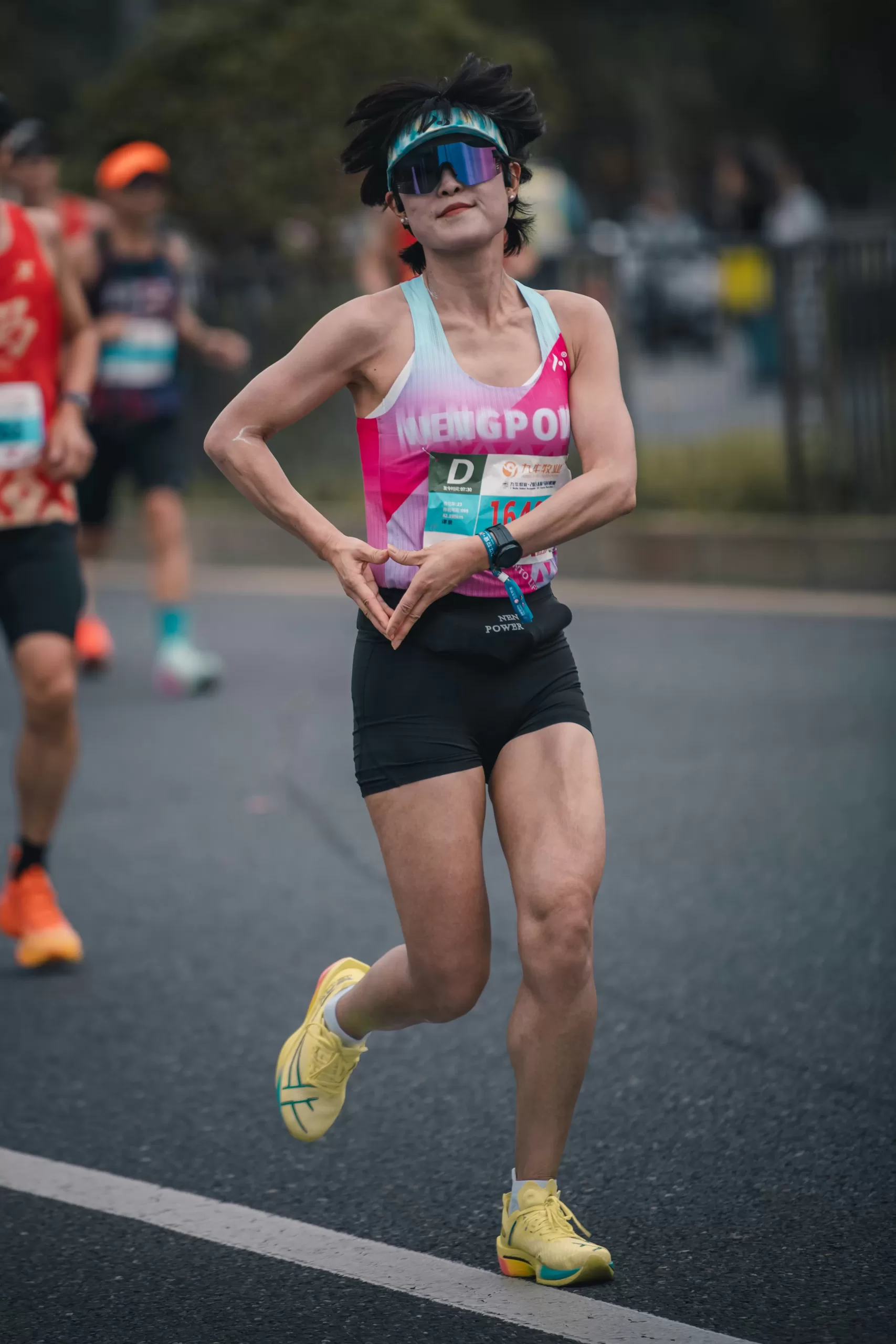
Why future runners might need different skills besides running talent
Times and the way things are done are rapidly changing. For future runners, it will be essential to develop a wide range of skills to stay relevant in an evolving landscape. Athletes should learn to adapt to these changes, recognising that both athletic ability and skills such as communication, digital literacy, and networking are becoming increasingly important.
As more runners from different countries join the sport and the marathon distance gains greater fame, it is increasingly important for athletes to focus on developing a range of expertise beyond just running fast.
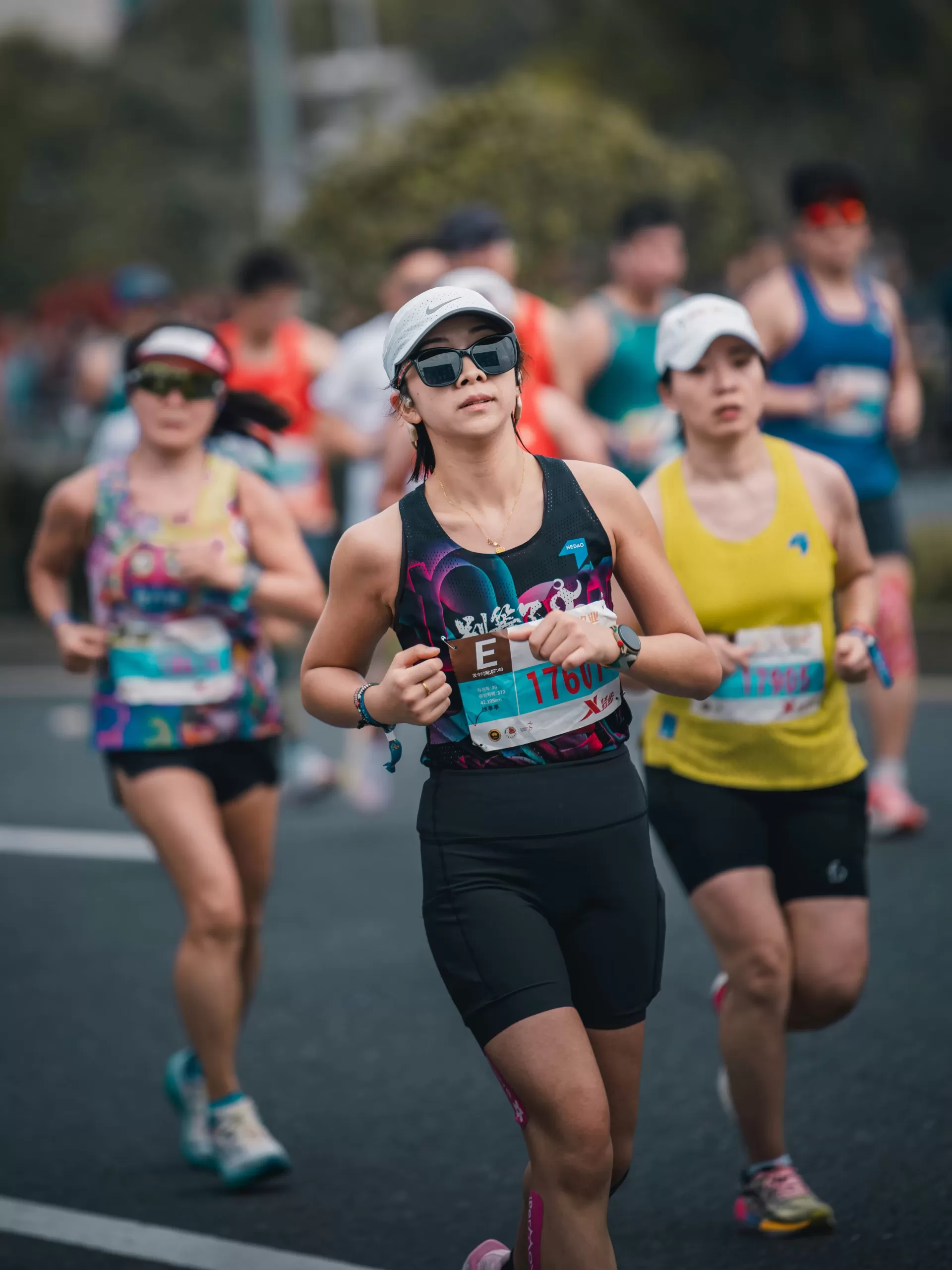
Race organisers may soon prioritise inviting runners who not only have impressive race times but also demonstrate strong communication skills, a strong digital presence, and community engagement through their social media platforms. This shift reflects how prowess beyond physical ability—such as digital literacy and personal branding—is becoming a key factor for future runners to secure invitations and sponsorships.
It could explain why the winning prize money in some races is decreasing while appearance fees, which often favour runners with broader skill sets and public appeal, are on the rise.
When there are no races, and people are searching for the latest stories on their favourite athletes, it becomes clear that future runners must focus on developing a broader set of abilities beyond athletic performance.

Being a great public figure is not simply about preparing well for a race and winning it. People want to know how runners are using their skills to cope with challenges like the COVID pandemic, engage in meaningful activities outside competition, and build strong relationships with their families and communities. Adaptability, communication, and community involvement are essential for future runners who wish to inspire and connect with fans on a deeper level.
There are great similarities among athletes, musicians, comedians, actors, magicians, and motivational speakers: they all work to build a fan base for the events they participate in.
For almost 20 years that I have worked as a freelance journalist, I have learned that it is not only the performances that make athletes famous and role models across the world, but also how they relate to other people in the community, especially the media, who would share their stories.
Communication
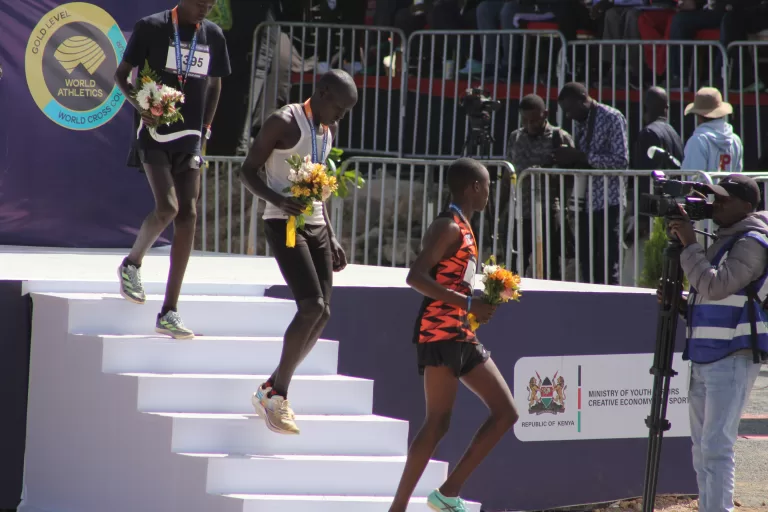
When considering future runners, it is clear that key talents extend far beyond the track. There are two types of athletes: those who willingly share their journeys to success, using their communication skills to motivate and encourage others whenever they meet journalists, or when they find opportunities to speak in schools, churches, other gatherings, or even one-on-one. These runners recognise the importance of storytelling, public speaking, and networking as essentials for building a lasting legacy.
On the other hand, some runners view journalists only as opportunists who seek to benefit financially by interviewing them and sharing their stories. These athletes may be hesitant to share their experiences, missing out on the chance to inspire others and build their own brand.

The first group of runners—those who actively use their skills to engage with the public—often enjoys many more benefits from their performances, even after retiring. The second group only enjoys their stardom briefly after their performances.
One of the famous coaches I have interviewed a few times is Brother Colm O’Connell, and one thing I took from him is his passion for rejecting the idea of a “secret” to success. To him, there are no secrets involved in running well, other than the athlete having the right attitude, focus, discipline, and determination—skills that are as important to runners as physical ability.
To a casual fan, it may seem that some top-performing runners are overlooked by the media, unaware of the behind-the-scenes work journalists put into securing interviews and stories. In reality, the difference often lies in which runners are willing and able to leverage their skills—such as effective communication, openness, and self-presentation—to engage with the media and the public. These not only enhance a runner’s visibility but also shape their reputation, expand their influence, and open doors to new opportunities.
Community development
As the world of athletics evolves, sport-related brands increasingly require athletes to share their social media profiles and demonstrate involvement in community projects to be considered for sponsorship. This reflects a growing emphasis on a comprehensive set of abilities—digital literacy, community engagement, and personal branding—as prerequisites for runners seeking long-term partnerships and career growth.
To truly succeed in the future, runners must develop a diverse, adaptable skill set that extends well beyond physical training. The modern athlete is expected to be well-rounded: relating well with others, excelling in communication and digital skills, and using their platform to positively impact their communities. By embracing and honing these skills, future runners can distinguish themselves both on and off the track, ensuring lasting success and influence.