
Marathon Training After 40: Essential Tips for Older Runners

There’s no magic age when you have to step away from running or marathon training. For many, running evolves over a lifetime—sometimes it’s a hobby, sometimes a passion, sometimes a career. At 16 or 60, after 40 or 100, you can start running, get back into it, or keep at it for decades. What matters is knowing your own body, your goals, and what running means to you right now. Your reasons may change, but the door is always open.
For most runners under 35, the big dreams are about chasing finish lines, setting personal records, and maybe, just maybe, representing their country at the Olympics or a world championship. But somewhere after 40, priorities naturally shift. The focus shifts to staying fit, staying active, and—if you’re competitive—eyeing the podium in your age group. Running becomes less about proving something to the world, and more about what it gives back to your life.
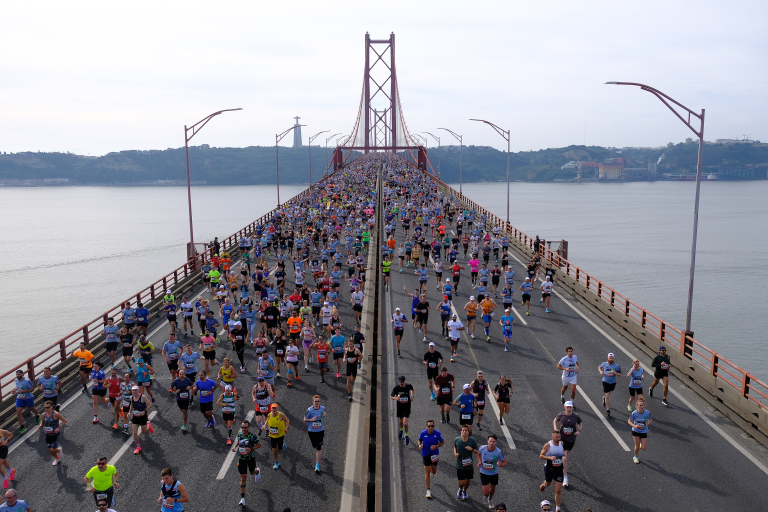
If you’re considering running your first marathon at 45, you’re not late to the party—you’re right on time. In fact, the average marathon finisher today is close to 40, and runners aged 40-49 make up nearly a third of big race fields. You’re not an exception; you’re part of the backbone of the running community. There’s never been a better moment to start.
But training at 45 isn’t the same as training at 25. Most marathon plans online are designed with younger runners in mind. Below is what really makes a difference as you get older.
Crucial information to know for marathon training after 40
Strength work is essential—not just an optional extra. After 40, muscle mass and tendon elasticity decline faster, so it’s even more important to prioritize strength. Just two short sessions a week, focused on glutes, hips, calves, and core, can slash your injury risk. Think of exercises like single-leg deadlifts, split squats, planks, and calf raises. These help keep your body resilient and ready for the miles ahead.
Recovery matters more than ever, and it has to be active. Sitting all day after a long run just makes you stiffer. On your off days, try an easy bike ride, gentle walk, or swim—anything that keeps the blood moving but gives your joints a break. It helps your body repair and bounce back stronger, run after run.
You don’t have to run every single day to be a runner. Swapping out one midweek easy run for a bike ride, rowing session, or some time on the elliptical still gives your heart a solid workout while giving your knees a break. It’s about staying healthy for the long haul, not just logging as many miles as possible.
A foam roller is your new best friend. Spend ten minutes each evening rolling out your calves, quads, and IT bands. If you can, treat yourself to a sports massage every couple of weeks. Think of this as regular tune-ups for your body—essential maintenance that will help you keep running, pain-free, for years to come.
Progression needs to be slow and steady—sometimes frustratingly so. The old 10 percent rule still applies: never increase your weekly mileage by more than 10 percent. And if you miss a week because of work or a cold, let it go—don’t try to cram in extra runs to catch up. That’s how injuries and stress fractures happen. If you feel sharp pain, listen to your body and stop. There’s no prize for pushing through pain, but there’s a big reward for running healthy year after year.
Don’t skip the taper at the end of your training cycle. In those last three weeks, you’ll probably feel restless and worry that you’re losing fitness as you cut back to 50 to 70 percent of your normal mileage. But this is when your body truly repairs itself and stores up energy for race day. Trust the process—tapering is what lets you show up at the start line fresh and ready to run your best.
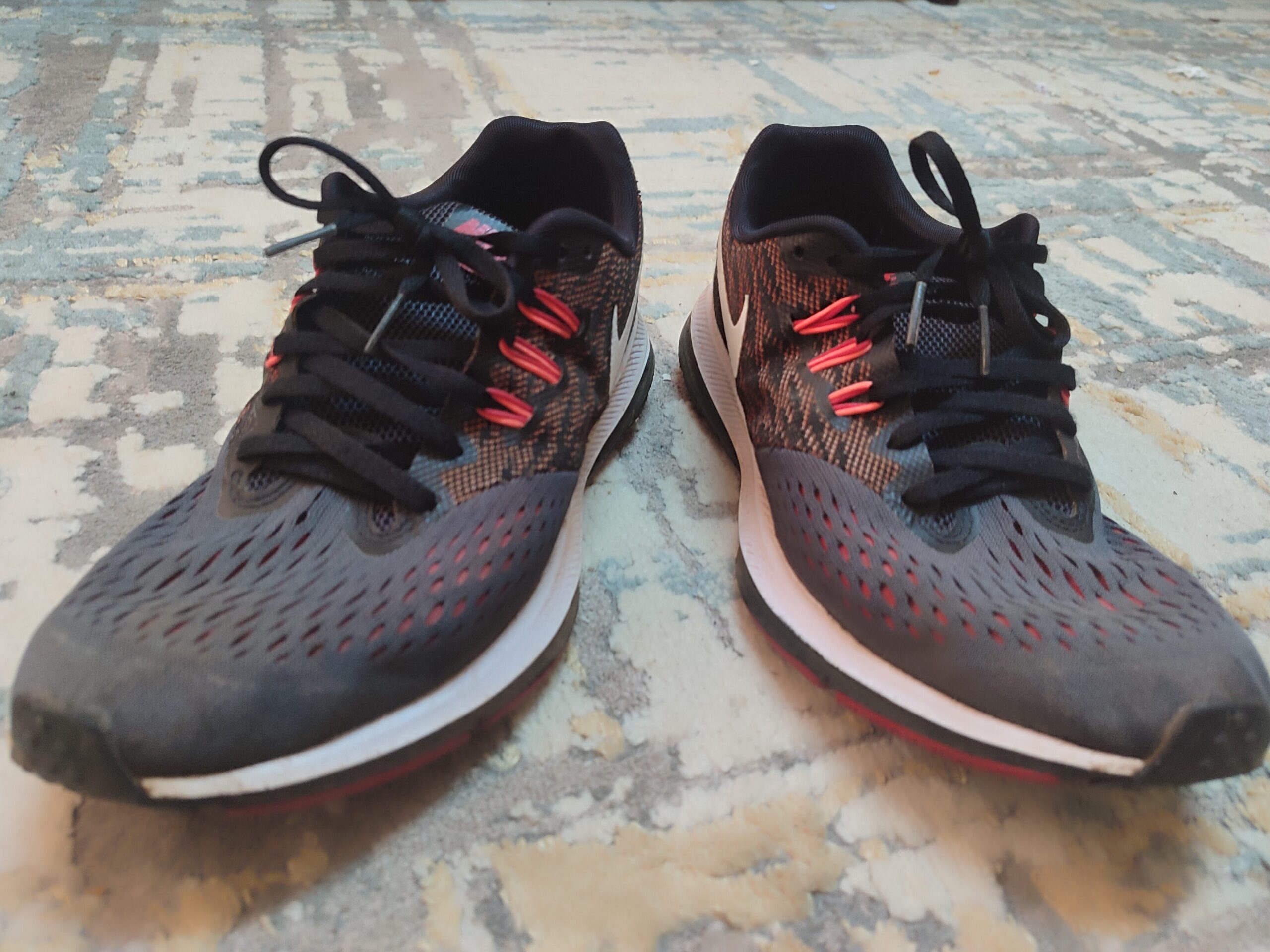
Treat your running shoes like equipment, not fashion statements. Go to a specialist running shop to have your gait analyzed, and choose shoes that suit your feet and running style—not just the ones that look good. Replace them every 300 to 500 miles, and make sure you break in a fresh pair about a month before your race. The right shoes can make all the difference in comfort and injury prevention.