
Do journalists benefit from runners, or the other way?

There are occasions when a few athletes lead journalists in circles as they seek interviews. Conversely, journalists can sometimes become overbearing, following athletes everywhere instead of giving them space to relax and spend time with their families.
As both a journalist and a runner, I have learned a lot from my experiences in these two fields. Before 2010, for instance, when social media was less prevalent, it was frustrating to find information about runners—especially East African athletes, who were often dismissed collectively as “a pack of Kenyans and Ethiopians at the front” even after winning major marathons. Searching race results, you’d often find plenty written about those finishing 5th, 7th, 15th, or 19th, but little to nothing about the podium winners.
Recognising this gap, I became a freelance journalist. Soon after, major international magazines such as Competitor.com and Thrive Sports began taking my insightful stories about Kenyan athletes. I may have been a pioneer in highlighting the wealth of stories surrounding Kenyan runners, and soon, more freelance journalists began travelling to Kenya to document the running experience, conduct interviews with Kenyan athletes, and write about the local training culture and venues.
How Journalists have helped tell stories of Kenyan runners
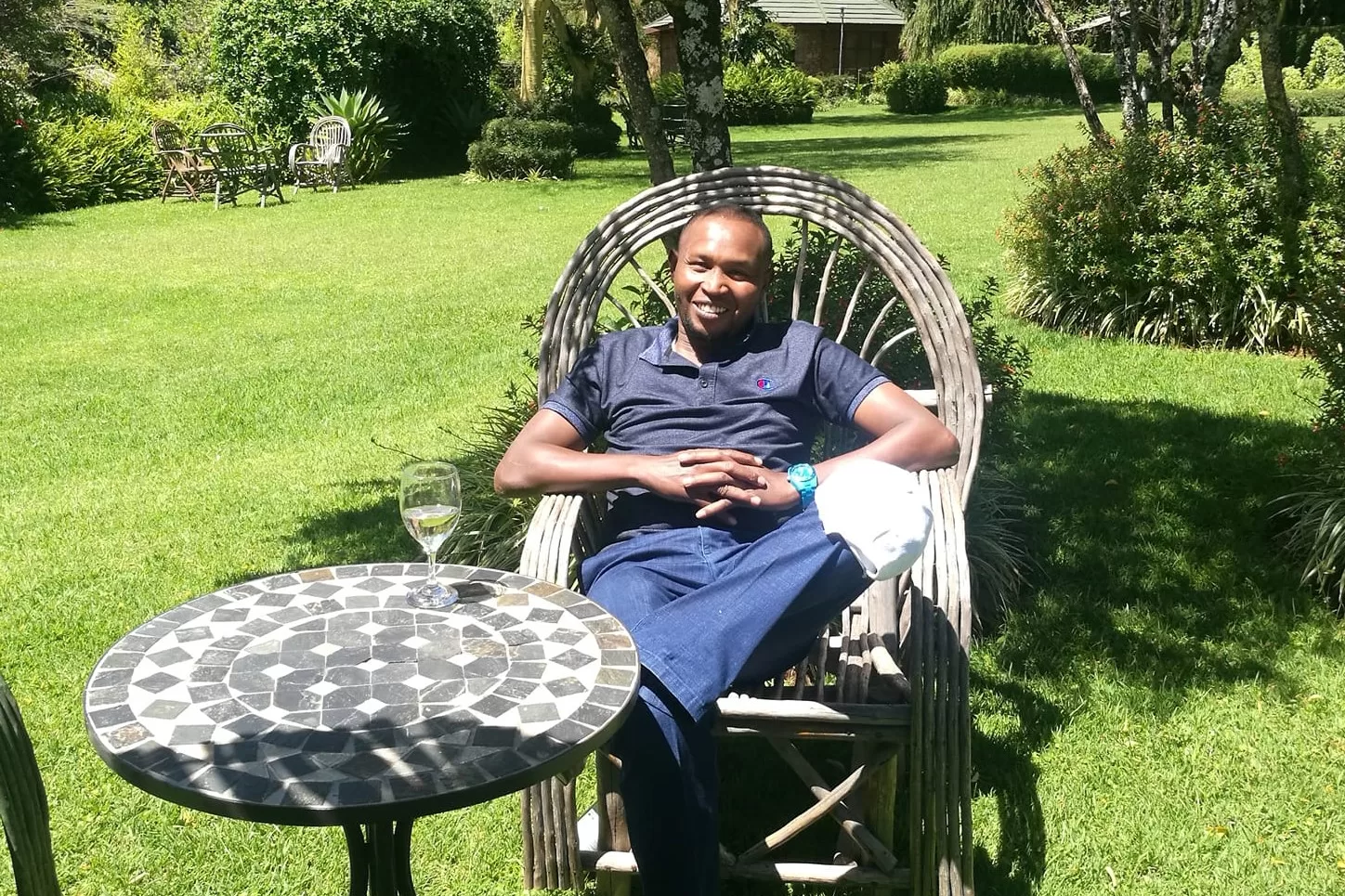
As a result, many Kenyan runners have become more relatable to the world. People now learn about their daily lives—that they are fathers, mothers, students, police officers, and more, just like anyone else in society.
Additionally, this increased interest has created job opportunities for freelance journalists, who are now commissioned to follow specific athletes and write feature stories about them.
But, the question is: Who benefits more from the other?
The world cannot appreciate an athlete’s positive impact, community involvement, projects, and personal relationships unless a journalist tells their story. Such coverage encourages more sponsors to support athletics and attracts more fans to the sport. Ultimately, this elevates athletes’ status in society and improves their financial stability by opening up new earning opportunities.
Only a journalist can convey to the general public the magnitude of an athlete’s accomplishments—by sharing their preparation, dedication, and journey. When people understand these stories, they gain greater respect for the athletes.
Either a win-win or a lose-lose situation
On the other hand, journalists are not always appreciated for stories about athletes. In such cases, they might choose to interview someone else or proceed with the athlete’s story using available resources, even if they have not met the athlete in person.
My final verdict: those who fail to see the mutual benefit between athletes and journalists are like a cow running away from a farmer trying to save her from swallowing a plastic bag.