How my 10K Tempo Run ended at 3K with a Twisted Jaw!

Practice makes perfect, they say—and who am I to argue with running sages? Besides embracing the joyous agony of a Tempo Run, there is, apparently, no better way to mimic race conditions. So, today marked my grand debut: the first day I tried to inject some speed into my marathon training program. Spoiler alert: it was less of a lightning bolt, more of a flickering candle.
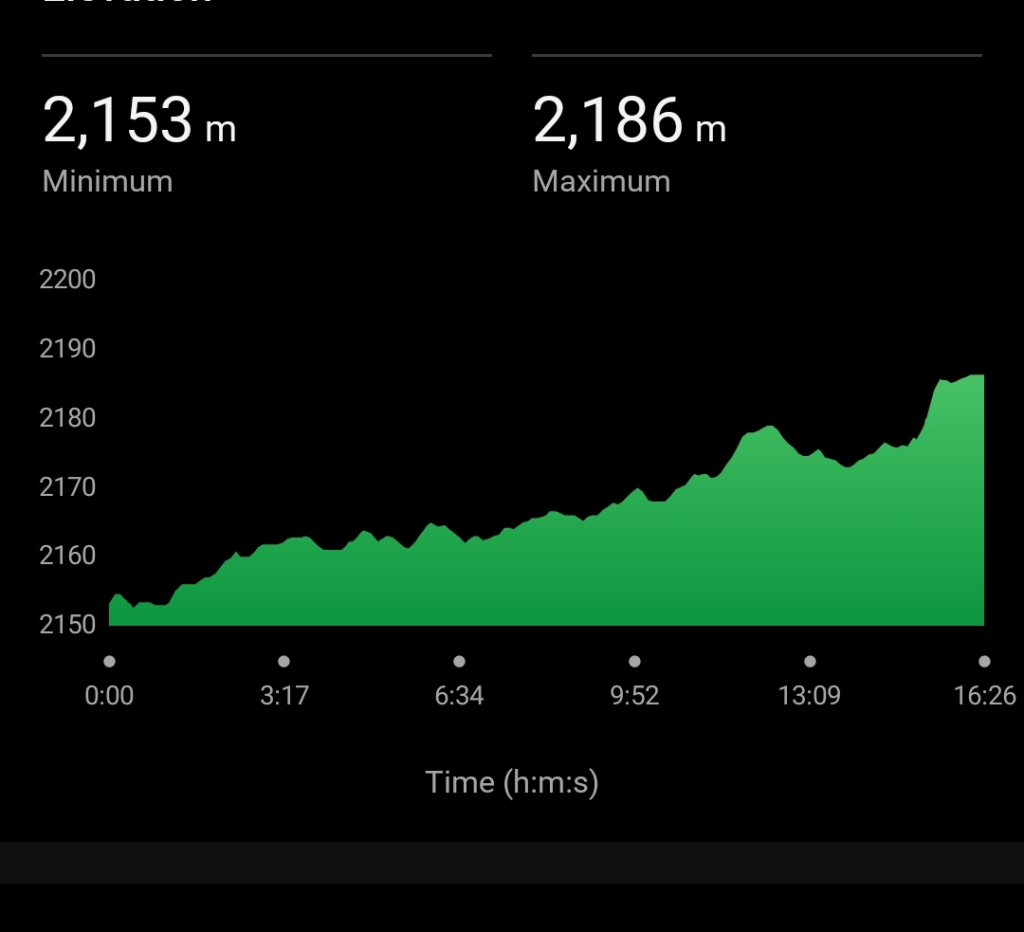
As a coach, I’m usually the master of tough love—always telling my runners to grit their teeth, finish their workouts, and ignore the voice in their head suggesting a doughnut break. But today, I heroically demonstrated what NOT to do: I slammed the brakes at 3.81 km of my meticulously planned 10 km Tempo Run. Not even halfway. In the great tradition of ‘do as I say, not as I do’, I became a living cautionary tale.
Over the decades as a runner, I’ve become a connoisseur of falling. I know the difference between a ‘race trip’ (fall flat on your stomach and stay put like a speed bump until the herd passes), the classic ‘morning stone’ (your legs flail up, and you faceplant with all the grace of a dropped watermelon), and the ‘rogue pavement crack’ (guaranteed to humble you in front of at least three witnesses and a stray dog). Every terrain and surface requires its own survival protocol—some are body reflexes, some are just panic disguised as athleticism.
However, today’s episode was a whole new genre. I stepped on a tiny, innocent-looking rock that decided to audition for ‘Best Supporting Role in a Running Disaster.’ Normally, my legs would simply shoot up behind me in a textbook case of gravity winning. But today? Pure guesswork! I’m fairly certain I did a backward somersault—a move I have never once trained for, unless you count flailing as ‘cross-training.’
All I remember is that I achieved a personal best in accidental air time. There I was, floating in the sky for what felt like a full commercial break, until my brain finally rebooted and realised, ‘Hey, that’s the ground coming at warp speed!’ I threw my hands up—one for my head, one for my chest—and braced for impact. I landed with the thud of a sack of potatoes being chucked off a truck. Honestly, I think the ground was as surprised as I was.
My elbow—dutifully guarding my head—took the first hit, followed by my jaw, which apparently wanted front-row seats to the action. My lips, never ones to miss out, made passionate contact with another rock, as if auditioning for a toothpaste commercial gone wrong. I rolled slightly, and my right palm (on chest-protection duty) followed through, skidding me gracefully into a shallow ditch, where I lay contemplating my career as a stunt double.
For a brief moment, as I attempted my grand rise from the ditch, I felt a twinge in my lower back—just enough to remind me that I am, in fact, not made of rubber. Luckily, the pain vanished once I managed to sit up, proving that gravity may knock me down, but my stubbornness gets me upright.
I tasted blood in my mouth—never a great flavour. After a dramatic spit for confirmation, I immediately did the universal runner’s dental check: poked around with a finger to make sure all my teeth were still present and accounted for. Miraculously, they were!
I stood up, brushing off my dignity, and noticed a young girl, probably on her way to church, who’d witnessed the entire spectacle—Bible in hand, presumably praying for my survival. The relief on her face as she told me, “pole,” said it all: she was glad I wasn’t about to require divine intervention. Bruised palms, lips, and knees aside, I managed to jog home.
Below are the key benefits of a Tempo Run in Marathon Training
Raises Lactate Threshold
Tempo runs teach your body to operate at higher intensities—think, ‘running just fast enough to question your life choices’—for longer periods, all while delaying the buildup of lactic acid in your bloodstream. Basically, you’ll feel the burn, but slightly later than expected. Progress!
Tempo run Improves Running Economy/Efficiency
Training at this intensity makes your body more efficient at using oxygen, so you can maintain a faster speed while using less energy. In other words, you’ll look like you’re gliding effortlessly—while internally negotiating with your lungs for mercy.
Builds Mental Toughness
Tempo runs are mentally demanding—think of them as stubbornness training for runners. You’ll spend entire kilometres arguing with yourself about why you signed up for this in the first place, but in the end, you’ll be able to maintain a fast, consistent pace in the later stages of a marathon (or at least have really good stories to tell).
Increases Aerobic Capacity
Sure, you could just do speed work, but tempo runs are like cardio boot camp for your heart and lungs. You’ll improve endurance and cardiovascular efficiency, and possibly discover new muscles you didn’t know existed (until they start complaining the next day).
Improved Pacing Control
Regularly practising that elusive ‘comfortably hard’ effort helps you learn your body’s limits. You’ll become an expert at not starting the race like a caffeinated greyhound and burning out by kilometre four. Pacing: it’s not just for metronomes!
Enhanced Race Readiness
By simulating marathon pace (or slightly faster), tempo runs get your muscles and cardiovascular system ready for race day. That way, when the starting gun goes off, you can stride confidently into the fray—knowing you’ve already survived worse in training, including dramatic wipeouts and all.
In conclusion, tempo runs are not just about building speed and stamina—they’re also about collecting wild stories, discovering new muscles (and bruises), and humbling yourself before the gods of running and gravity alike. Whether you glide through your workout or find yourself airborne in a spectacular display of athletic chaos, each session is a step closer to marathon greatness—or, at the very least, excellent pasta dinner party entertainment. So, lace up, embrace the challenge, and remember: if you fall, make it memorable!