
Should one visit Kenya for optimal long distance running training?
Many foreign runners have, at some point in their careers, decided to visit Kenya for long-distance training, leading to significant changes not only in their careers but also in their lives. Zane and Jake Robertson of New Zealand are among the best examples. Other notable runners who have visited Kenya to train include Great Britain’s Mo Farrah, Sifan Hassan of the Netherlands, and Amanal Petros of Germany, among many others.
Personally, I have helped some runners explore Iten, and I am always here to help you if you decide to visit Kenya and train for your next long-distance race.
Check my contact page and give me a shout, and we’ll see how I can help in terms of getting to Iten, Eldoret, Kapsabet, etc, pick up from the airport, accommodation options, training groups to join, etc. You can as well check my ebook: Ideal Places to Train In Kenya for more information.
How to find a training group to join when you visit Kenya
As a foreign or a local athlete, it is always much cheaper to rent a house and cater for yourself rather than live in a hotel while training in Kenya.
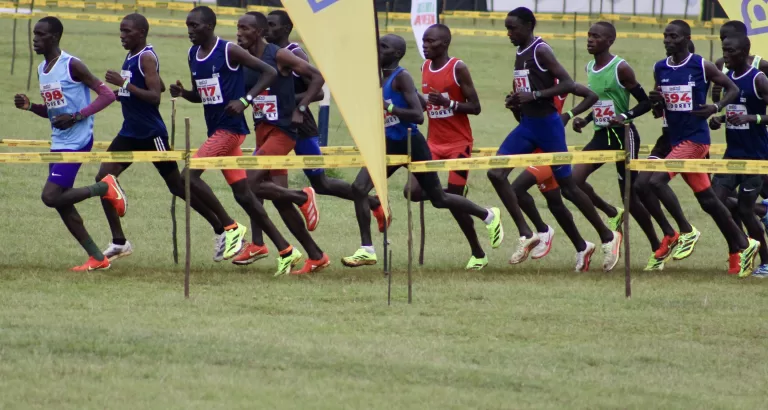
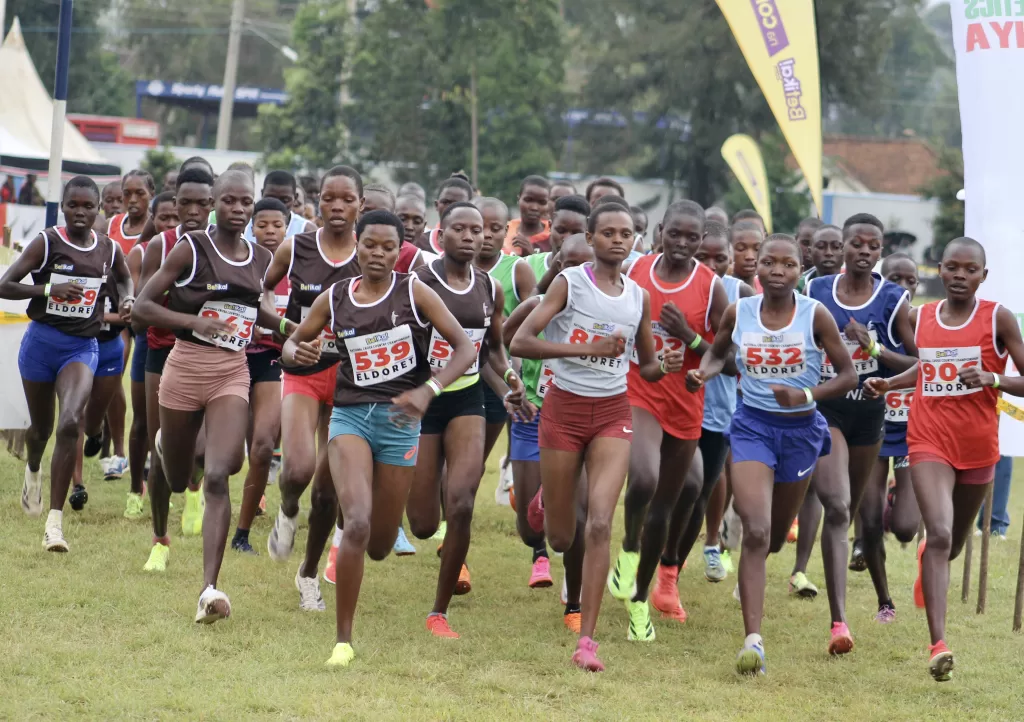
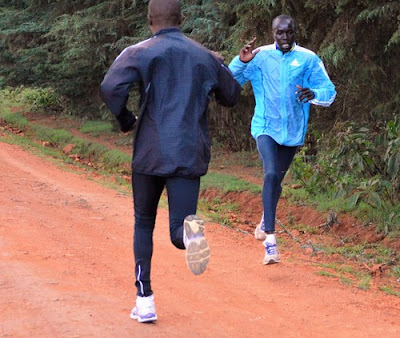
You should not worry about finding training partners here. You will be spoiled for choice as there are so many training groups, all you will need to do is wake up at around 6:15 am, you will see hundreds of athletes warming up outside.
Go out and ask what they intend to run, and settle for a group that is going to do the time that pleases you. Alternatively, you can enrol on one of the camps where they will take care of all your training and accommodation needs, but this option will be expensive. You can get much more with my 1-to-1 long distance running online coaching.
Ten years ago in Kenya, when an athlete got lucky to be enrolled on a training camp, it meant a lot to him or her. It was easier then to get races, and there was also enough sponsorship in the camp to ensure that the athletes lacked nothing for their upkeep. With time, these camps have begun to suffer from mismanagement, a lack of enough funding, athletes changing management and poor public relations. This has led athletes to prefer training individually at their preferred destinations or in smaller groups.
Individualized training is now becoming more and more effective, especially for the average runner.
The national training camps, which are always set up a month or two before major championships, are also not being left out of these grumblings, with some athletes always wishing they could train at their own places of choice with their coaches when they make the team to represent the country. One of the athletes who once expressed that wish to me is Geoffrey Mutai who said that the best place he has ever found to suit his training is at Kapng’etuny, and that his performance went down a little when he went to train in Embu with the national team to represent the country at the world cross country championships in Punta Umbria.
I also spoke with Brother Colm O’Connell when Rudisha made the team to the world championships last year, and he told me that he would have preferred if Rudisha had been left to train with him for a little more time before joining the team to Daegu.
However, Athletics Kenya (AK) has been working hand in hand with the coaches who mentor the athletes at the grassroots levels to ensure that the needs of the athletes are well-catered for in the national training camps in the future.
Some of the athletes I approached to shed a light as to why they are leaving their big camps did not wish to share their experiences in a personal way, but preferred to cite “pressure” in a more general way. Most seem to have a problem with the way they are at times being treated like high school students with fixed timetables, a bell being rung for meal times, having to seek permission from someone when he/she have to attend to personal business, and other rules and regulations that have to be adhered to while in these camps.
Back in 2007, when I was in Dr. Rosa’s Kapsait Nike Athletics training camp in Marakwet, it was only one man – a veteran athlete called Erick Kimaiyo, two times Honolulu Marathon champion (1996 and 1997)- who served as the camp director and a coach as well, who knew the training program for the day and would wait until we were all assembled at the starting point every morning before issuing it.
How the training landscape is slowly changing in Kenya
Things have changed today: athletes now have the program for the whole week, or even the entire month, in advance, and can follow it anywhere, not necessarily be at the camp to do so. This new open information has enabled most athletes to choose to train anywhere they like, so long as they are following the program.
For example, with my individualised long-distance running online coaching programs, I have been able to guide runners in different continents to achieve their running goals without the need to move out of their cities and localities. I have trained runners from different nations, including the USA, Germany, Belgium, Japan, Israel, UK (my oldest runner so far at 75 years now), Macau, Canada (where I got several of my first clients), Uganda, Kenya, Pakistan, India and El Salvador, among other nationalities.
I have also had some of these runners express their interest to visit Kenya and sample the training environment here, and have had some from Belgium, Japan and USA come and stay in Iten for some time under my guidance. Their experiences have been invaluable. Some would tell me that while most of what they witness here cements their belief in my training programs, they also learn much more than I could say to them in my online communication with them.
They have come and witnessed the running culture in Kenya for themselves and draw their own life lessons out of these valuable experiences.
Of late, most elite athletes in the big camps have been complaining about being kept there for up to a year without being offered opportunities to race. If they were out of these camps, perhaps they would be in a better position to meet other agents who would enter and sponsor them to go out and race.
Looking closely at this problem, one would wonder whether this isn’t some strategy from the big managers to keep upcoming athletes from getting recruited by other agents and getting them to compete against their own athletes in big races abroad. Just an assumption, because I cannot understand why a management would take on athletes who do well in local races and accommodate them for over a year without scheduling them to race.
Another thing that affected some training camps is their closeness to social amenities and good track to train. To travel from the Kapsait Nike camp in Marakwet for speed workouts in the lower altitudes around Eldoret was always a two-day trip. With time, it became more expensive for the camp to do all these trips and the upcoming athletes were asked to chip in some finances to help sponsor the camp. Most of us had no money and after we left, it did not take long before the big athletes also followed us out of the camp.
Dr. Rosa withdrew his sponsorship for the camp and built another one now in Kaptagat, which is closer to Eldoret town, and this one seems to be faring well. I spoke to one professional athlete who was at the camp in Marakwet and is now a resident of the new camp and she tells me they have much more freedom here and she can choose to be in or out of the camp whenever she likes. It looks like she has got no “pressure” herself.
In some camps these days, boarding facilities have been done away with and athletes arrange for their own accommodations nearby and only attend the camp for official meetings and group workouts. It looks like it may be a good way to curb the falling away of athletes from the traditional camps in Kenya.
To me, camps are an integral part of the success of runners, especially for the upcoming ones who do not have vehicles to take them for long runs and coaches to monitor their progress. Perhaps the only thing to be taken care of is how the athletes should be treated so that they do not feel pressured, which may be very difficult, since every institution ought to have rules and regulations to run well. However, rules should never become more important than people, so there should always be room for flexibility, and the athletes’ needs and interests should be given due consideration at every opportunity.