
The Truth About Running Posture: Focus on Fitness, Not Form
As an online coach, I am sometimes asked by my running clients how they can improve their running posture and form. Some even accompany their questions with a picture of themselves side by side with some of their favourite runners, and they would like to run exactly like them.
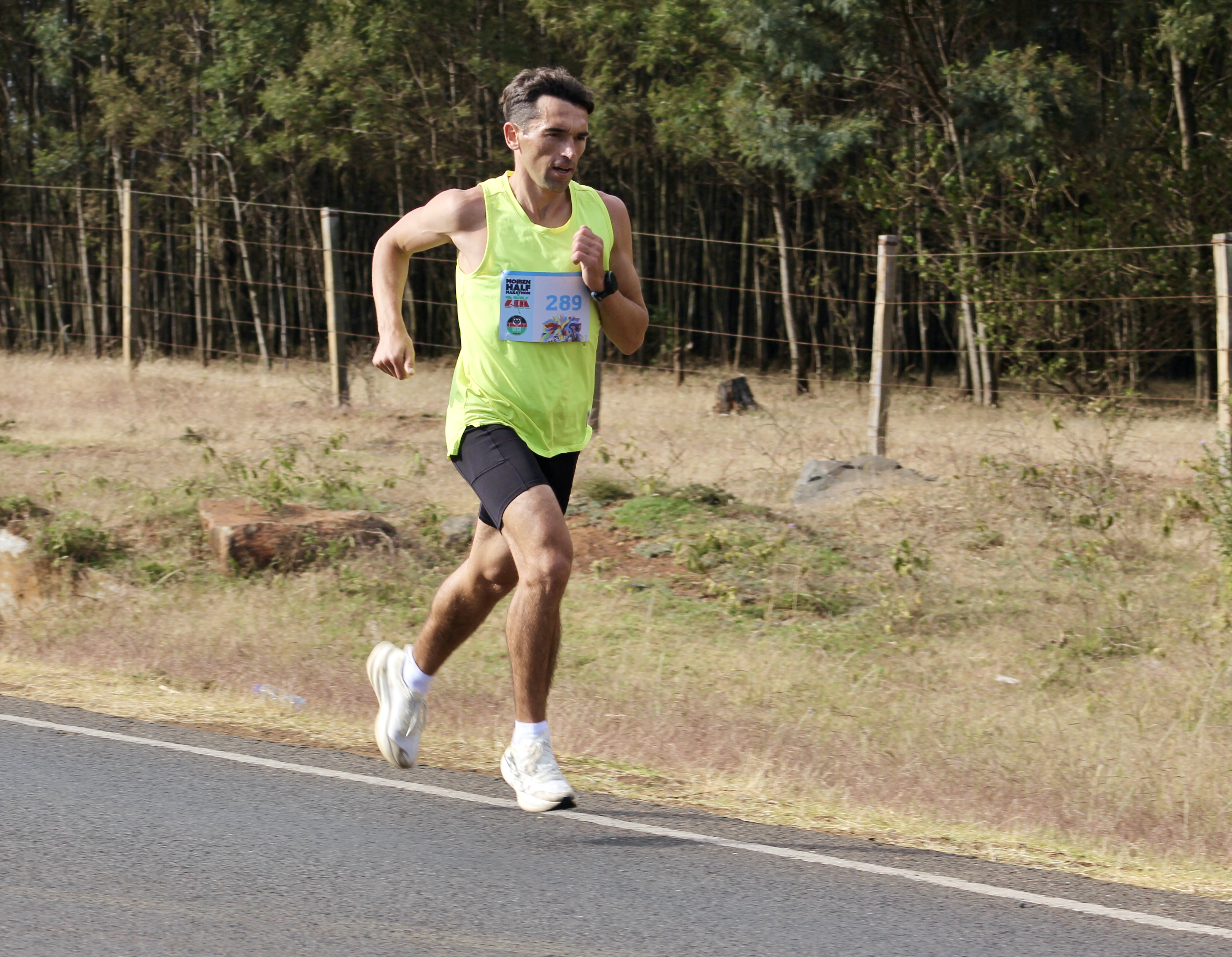
My observation over time has been that form comes with one’s speed and fitness level, and not the other way round. The faster you run, the better your form and posture will look. In fact, even in a crowd when everyone is just standing, a keen observer (like you!) can easily tell a faster runner from the crowd.
Definition of running posture and form
Just to ensure we are on the same page, here are the definitions for running posture and form:
Running posture refers to the overall alignment and positioning of your body while you run. It includes how you hold your head, shoulders, back, hips, and arms as you move. Proper running posture usually means standing tall with a slight forward lean from the ankles, relaxed shoulders, eyes looking ahead, and arms moving smoothly at your sides.
Running form is a broader concept that encompasses not only posture but also the mechanics of your running movement. This includes your stride length, foot strike (how your foot lands on the ground), cadence (how many steps you take per minute), arm swing, and the fluidity of your movements. Good running form helps you run efficiently, reduces injury risk, and maintains speed and endurance.
In summary:
- Posture is about your body’s alignment and how you hold yourself while running.
- Form is the complete package of posture and movement mechanics that make up your running style.
“He looks fast. Is he a runner?” This was the question I heard a number of times when a friend who was hosting me in Canada was being asked whenever we would come across some of his other acquaintances. I had gone there to compete in a few road races.
“I knew you were going to win this race, having just looked at you at the starting line,” an Ethiopian runner did confess to me at the finish line after I had just won the Sporting Life 10km race in Ottawa in 2017.
Fitness comes first before running posture and form
In all these, I never ever practised how to look fast. Instead, I had trained on how to run fast and ended up looking fast in the process. This is exactly how it should be with the topic of running form and posture.
With the naked eye, one can tell when a runner is either running at about 22km/hr or 10km/hr! One can watch a motorcyclist tackling a bend in a photo and tell whether it was moving at a slow or fast pace.
Having trained with the best road runners and world record holders here for many years, one thing I have observed among many of them is that they have not focused much on their running form and posture.
We don’t usually train for running forms here in Kenya, and I am trying to apply the same principles to the runners I coach online. We believe that each person’s body has its own form, so it is not something we should focus on… just like the preferences some runners have regarding minimalist, barefoot, flat, cushioned, and other kinds of shoes for their training, or on many other controversial topics regarding running.
However, regardless of the form and posture one adopts for running, there are a few techniques that will make one more efficient.
Be relaxed. Make sure that your shoulders are loose and your fists are not clenched. Do not exaggerate your stride length by trying to lengthen or shorten it; just let it flow naturally.
Running is natural, and you do not actually need an expert to tell you that your head should be above your shoulders while running!