
The Ideal Running Coach: Why You Must Ditch Your Lazy Couch Potato Coach Immediately!

Can you take cooking classes from a cooking coach who doesn’t cook? Or driving lessons from someone who doesn’t drive? Or swimming lessons from someone who can’t swim?
Definitely, no!
Apparently, this is not the case when some runners are looking for the ideal running coach for themselves. With the internet filling up so fast with information on where to find different services and goods online, at least I can save you the trouble in one industry I have been in for several years. If your coach has no upcoming marathon races or doesn’t even run, ditch them.
Unless they have health issues or other valid reasons why they can’t remain active.
Below are the reasons why you should find an actively running coach to coach you.
A running coach should do what they preach
There is a famous saying that states, “one should not preach water and drink wine.”
There is one thing that I have observed with gym instructors, and I like it. Most of them look their part.
To show their clients how to lift weights correctly, perform some exercises with the right posture, and use different gym equipment, the instructors eventually end up exercising themselves, building the right muscles and looking physically fit. You can easily tell a gym instructor in a crowd.
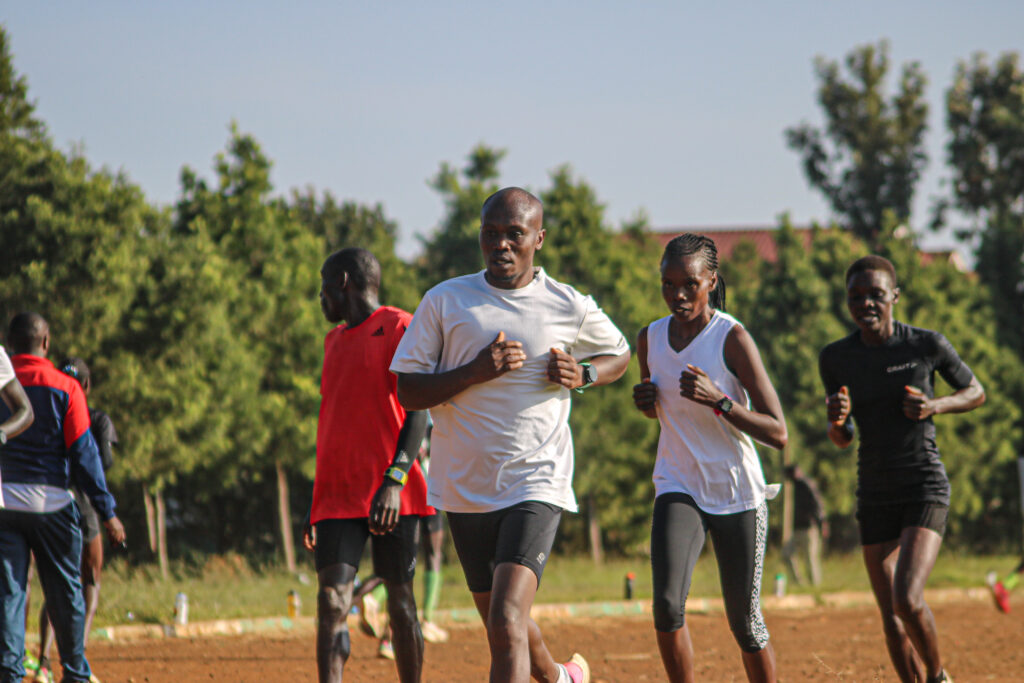
However, save for stop watches around their necks, running coaches usually come in different shapes and sizes. Some even bring chairs to the track, sit on them, and yell splits to runners as they run around them.
It goes without saying that if coaches believe in their programs’ ability to transform individuals, they should also apply this belief to their lives.
Passion is crucial

Passion is a driving force behind any successful endeavour. When it comes to coaching runners, a deep-rooted love for running itself becomes a vital ingredient for effective guidance and support.
A coach who is genuinely passionate about running brings not only knowledge but also enthusiasm, motivation, and a shared understanding of the athlete’s journey. This connection between coach and athlete is essential for fostering growth and achieving success in the sporting world.
Running, in its essence, can mean various things to different individuals. For some, it is a leisure activity—a way to escape from the daily grind and enjoy the solace of nature while pounding the pavement.
For others, running represents a disciplined career or a pursuit driven by competition and the desire for personal bests. Others turn to running as a means of maintaining fitness and health, utilising it as a lifestyle choice to enhance their overall well-being.
As a perfect example to their runners, someone who is passionate about running will not only understand these varying dimensions but will also embody them in their own life. They become walking advertisements for the sport, not merely preaching about its benefits but genuinely living its values.
When they run, they experience firsthand the joy of hitting a new milestone, the frustration of facing setbacks, and the triumph of crossing a finish line. They know the exhilaration of a personal record and the struggles of training through inclement weather or dealing with an injury. This real-world experience allows them to connect more deeply with their athletes.
A coach’s passion for running ignites a contagious energy that can uplift an entire team or individual athlete. When a coach demonstrates their love for running, it becomes more than just a job—it transforms into a shared journey.
The athletes can feel this enthusiasm, which motivates them to push themselves further and strive for their personal bests. This emotional connection is vital in keeping runners engaged and excited about their training, especially during those challenging times.
A runner understands the everyday challenges and hurdles in running
An actively running coach inherently understands the physical and mental challenges that athletes face. They remember what it was like to transition from the early days of running—when every mile felt monumental—to the exhilarating feeling of completing a race after months of dedication. This perspective is invaluable when offering encouragement or advice. A coach who has run regularly can tailor their guidance based on their own experiences, understanding the emotional toll that sleepless nights or busy days can take on a runner’s mental state.
Moreover, this passion allows for enhanced communication between coach and athlete. A coach who runs regularly can use relatable analogies or anecdotes from their own experience to help runners process their struggles. For instance, when an athlete feels overwhelmed by training, a coach could recount their own experience of balancing life and running, providing insight and perspective that a coach who does not run might lack. This relatability builds trust, which is crucial for a successful coaching relationship. Athletes need to feel confident that their coach can offer not just technical advice, but also profound understanding.

Another significant aspect of this passion is the staying power of knowledge. An actively running coach is not just living off knowledge from books or past experiences; they are immersed in current trends, methodologies, and technologies in the running world. They often experiment with the latest gear, nutrition strategies, and training techniques available, allowing them to stay informed and relevant. This engagement with the running community means that they can provide up-to-date information about conditions, gear, and practices, ensuring that their runners benefit from the latest advancements in the sport.
In addition to sharing information, a coach who loves running also seeks opportunities for continuous improvement—both for themselves and their athletes. They are more likely to attend workshops, seminars, or conventions aimed at exploring new training methods, nutritional strategies, and motivational techniques. Their passion fuels a lifelong journey of learning that ultimately translates into better guidance for their runners.

Furthermore, a running coach who is actively involved in the sport keeps the tone of the training sessions lively and engaging. Mornings spent together on long runs naturally foster camaraderie and bonding among athletes and their coach. Such experiences reinforce team dynamics and encourage athletes to work harder for themselves and their peers. The joy of sharing those moments, from the thrill of race preparation through to post-run celebrations, becomes an essential part of the journey.
Ultimately, the bottom line is that running thrives on passion, dedication, and a community of individuals who lift each other up. A coach who embodies this passion acts not only as an instructor but also as a mentor, motivator, and amigo. They create a nurturing environment in which athletes can flourish, knowing that their coach not only speaks about the joys and challenges of running but has actively experienced them. It’s this shared sentiment that often transforms fleeting goals into lasting achievements.
Choosing to work with a coach who has a genuine passion for running can make a world of difference in the training experience. Their love for the sport translates into a more effective and empathetic coaching style, ultimately leading to greater success for those they inspire. When runners find a coach who not only understands the nuances of running but also revels in its joys, they embark on a journey that goes beyond the finish line—a journey fueled by passion, commitment, and shared dreams.
Sharing personal anecdotes
A coach who actively participates in running possesses a profound understanding of the athlete’s journey, which encompasses the physical and mental challenges that come with training and competition.
This unique perspective allows them to empathise with their runners, making it easier to offer tailored guidance and support.
For instance, by sharing personal anecdotes from their own training regimens and significant races, such a coach can illustrate the highs and lows of the athletic experience. These relatable stories can motivate and inspire runners to persevere through their own struggles.
Moreover, with the advent of sophisticated wearable technologies, a coach who runs can take their mentorship to the next level. Utilising apps like Garmin Connect or Strava, they can transparently share their own training data, including metrics such as pace, distance, heart rate, and recovery times.

This not only provides a tangible reference for runners but also fosters a deeper understanding of workout intensity and pacing strategies. By encouraging athletes to analyse this shared data, coaches can help them grasp the nuances of their training, empowering them to make informed decisions and optimise their performance on race day.
Experience beats theory
There is a wealth of literature on running, strength, speed, nutrition, hydration, and various other marathon-related topics, but nothing compares to the insights of someone who has personally navigated those experiences. A good coach truly understands what it takes to succeed in the field of running because they’ve been through the process themselves.
An actively running coach can draw from their own training experiences—remembering both the mistakes they’ve made and the strategies that proved successful in their races. This personal history provides valuable advantages over coaches who don’t run. They can relate to their athletes in a way that’s authentic and grounded in real-life scenarios, allowing them to offer tailored advice and support.

Moreover, this shared experience fosters a deeper connection and trust between the coach and athlete, ensuring that the guidance given is not only theoretically sound but also practically applicable. When a coach can share their own stories of perseverance, triumphs, and setbacks, it creates a motivating environment that encourages runners to push their limits and reach for their personal bests. Ultimately, the combination of knowledge and lived experience makes an actively running coach an invaluable resource for any aspiring athlete.
Making personalised training programs
A personalized training plan developed by an actively running coach can make all the difference for a runner at any level. A coach who runs understands the initial hurdles new runners face, like the discomfort of sweat getting into their eyes and the physical sensations in their legs and chest as they push through those first few weeks. They know that every runner experiences a unique set of challenges, whether it’s managing soreness during the early stages or overcoming the mental blocks that come from resuming training after a long break.
In contrast, a coach who doesn’t run may rely solely on research or theoretical knowledge to guide their athletes. While this information can be useful, it can never replace the real-world experience of having laced up running shoes themselves. An actively engaging coach can create tailored training programs that take into account the nuances of each runner’s journey, from their current fitness level to their specific goals, and even the emotional ups and downs associated with training.
For example, a coach who has experienced the fatigue and exhilaration of training can design programs that incorporate rest days, cross-training, and gradual mileage increases based on the firsthand understanding of what runners truly need to succeed and stay motivated. Moreover, they can offer invaluable advice regarding recovery strategies, hydration, and nutrition, knowing how vital these elements are because they have navigated the same paths themselves.
By having that deep personal connection to the experience of running, an actively running coach is not only able to provide better training plans but also encouragement and empathy that resonate with their athletes. This makes the journey more supportive and effective, ultimately leading to greater success and fulfillment for the runner. With a coach who runs actively, athletes can feel confident that they are receiving guidance that truly understands their journey, creating a stronger foundation for achieving their personal bests.
Fresh knowledge and information
Actively running coaches have fresh information to share. Advancements in technology are occurring all around us, and the world of running is no exception, with innovations in wearable technologies, nutrition, and sports watches. An actively running coach not only keeps up with these developments but also tries out various gadgets, fuels, and gear themselves. This hands-on experience allows them to provide valuable observations and tailored advice to their runners.

By staying actively engaged in the running community, these coaches can offer their athletes insights into the latest trends and best practices. Whether it’s recommending a new pair of running shoes that they’ve tested or sharing tips on how to fuel properly for long runs, their recent experiences ensure that they are imparting relevant and practical information.
Coaches who run regularly understand the significance of these advancements and how they can enhance performance. They can discuss how to effectively use running apps for tracking progress or the benefits of heart rate monitors in a training regimen. This direct connection to their own training means they can guide their athletes in a way that is both informative and relatable, helping to optimize performance while keeping the training experience enjoyable and effective.
Moreover, possessing up-to-date knowledge fosters a dynamic and adaptive coaching environment where runners feel supported not only in their physical training but also in their overall approach to the sport. This approach helps ensure that runners stay motivated and informed, elevating their performance and personal growth.

About the Author and Coach
Justin Lagat is a Kenyan long-distance running online coach, a freelance sports journalist, and a marathon runner.
While based in Eldoret, Kenya, he works online with runners from different countries around the world.
Justin Lagat’s online coaching stands out due to his extensive personal experience as an elite Kenyan runner, his systematic approach to coaching, and his individualized training programs that prioritize athlete recovery and adaptation. His unique background, having trained in Kenya’s elite camps and interviewed numerous top runners, provides him with insights into the training methodologies of some of the world’s best long-distance athletes.
One of the key aspects that makes his coaching unique is his ability to translate the principles of Kenyan long-distance running into accessible and effective online programs for a diverse international clientele. He emphasizes a personalized approach, as demonstrated by his client Jane Mepham, who noted that Justin analyzed her running data to identify issues like overtraining and insufficient recovery. Instead of focusing solely on mileage, Justin introduced duration-based runs and varied intensity levels (jogging, easy, moderate, hard), which was a novel concept for Jane. This method allows for greater flexibility and responsiveness to the runner’s daily condition, promoting better recovery and reducing injury risk.
If you need to work with him, you can check out his contact page.

He has worked as a columnist with RunBlogRun since 2012.
Some of his work as a journalist has been featured in other international sports publications, including World Athletics, iRun Magazine, and African Sports Monthly magazine, among others.